
Is it evolution or extermination?
Finger spinners have often had a perennial presence in any bowling quartet. In most successful teams, you would find someone flicking his fingers across the seam of the red leather and swinging (ironically) matches and moments. You would often find off-break bowlers mandatorily retaining a slot in any test teams, and it is still partially the case. But in white ball cricket, the idea of a pure spinner has become obsolete.
Who are Off Spinners?
They are match winners. That’s the ideal definition, but here is one for those who are still unclear about the textbook description. An off spinner is a right-arm finger spinner who imparts spin on the ball primarily using his fingers and turns the ball into the right-hand batsman from off stump to middle or leg stump. They are defined based on their handedness and turn direction.
Some often confuse a left-arm orthodox as a ‘left-arm off spinner’, which is entirely wrong: a left-arm orthodox, God’s favourite creation, and those who are omnipresent in any cricket. Going by the textbook definition, they are spinners who turn the ball away from the right-handers and back into the left-handers, which is their stock delivery, and terming them as off-spinners is an unpardonable oversight. Orthodox because they do it the right way, traditional.
What has Caused the Erosion of Pure Off Spinners in White Ball Cricket?
Let’s be very clear before we jump into this segment of analyzing the paucity of pure spinners: there is no predisposition placed by any central board to eradicate them; it is rather a collateral result of the game’s evolution.
Cricket is relatively straightforward when we look at it from a narrower perspective; it is about outscoring your opponent. Within its prisms of reality, there came a massive paradigm shift that changed how team building is looked at.
Shorter Format, Longer Demands
With the clock running faster than ever, the formats of the game are getting shrunk. The core aspect of the rules hasn’t been amended much, but the formats have constantly been redefined and favoured a template that allowed batters to take centre stage.
The more you score, the more people pack the stadiums. Sunrisers Hyderabad from the IPL have large fan bases all over the world due to their perform or perish strategy, as has the growing popularity of franchise leagues and the most harsh limitation known as the Hundred. The shorter the game, the larger the crowd.
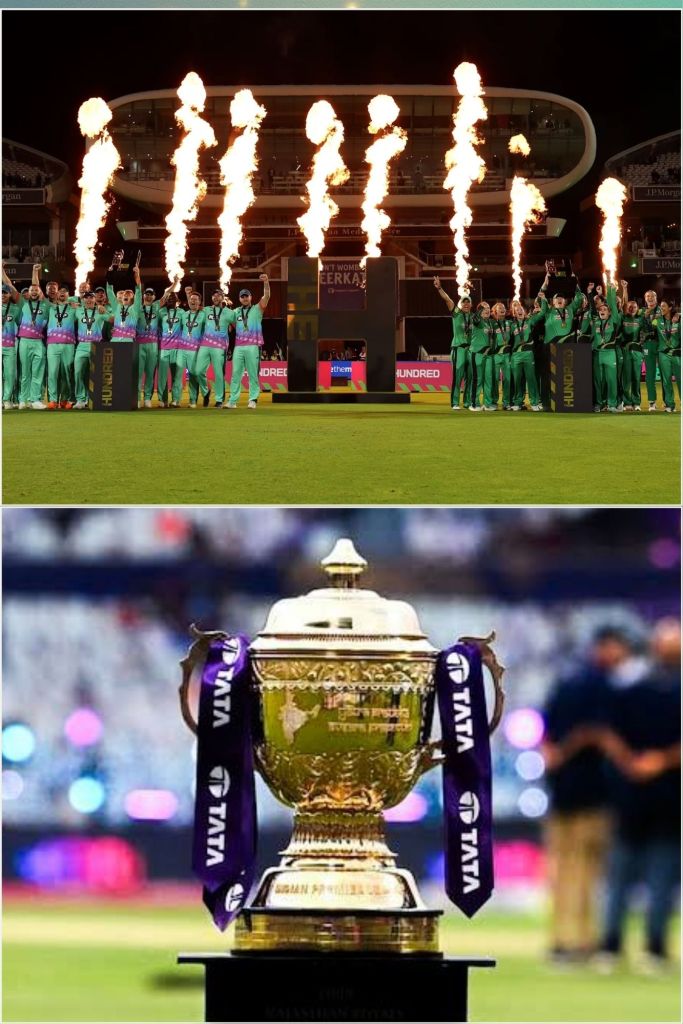
What are they in for? To watch rousing starts and major hits in the audience. This is how white ball cricket is watched and appreciated. Although it is entertaining to some level, pure finger spinners are the archetype that endured the most from the format’s continual repercussions.
The Vast Shift in Dynamics
What has changed? The roles and responsibilites.
It may sound very corporate, but it is the irrefutable fact. The manner in which teams have decided to position spinners has altered dramatically. Eight of ten teams have adjusted to the visceral changes and shifting periods of cricket.
Every side wants a long batting order with designated bowling slots for pacers, whereas spinners are preferred only if they can bat. Players such as Michal Bracewell, Mitchel Santner, Mohammad Nabi, Glenn Maxwell, and Washington Sundar are long-standing instances of how spinners are preferred.
Given this shift, analysts, coaches, captains, and advisors favor spin bowling all-rounders to pure spinners.
Teams now reserve a maximum of three places for pure bowlers, with the remaining spots filled by expert all-rounders and a few bits and pieces players, who are in high demand. The additional emergence of the impact player rule has proven counterproductive.
The diminishing presence is attributed to teams wanting spinners to be all-rounders and not in the form of pure bowlers in the limited slot. This preference has caused the gradual decline of spinners in white ball cricket. Yet in test cricket, they have managed to retain their place in the team and are more than just fillers, some like Nathan Lyon, Todd Murphy, Simon Harmer (recency bias), Keshav Maharaj (a pure spinner who isn’t an all-rounder), Shoaib Bashir, and even Ajaz Patel are winning matches for their countries and keeping the burning flame alive.
The game has evolved too far. With a centralized selection model, 200 analysts per team, and with substantial financial stakes, there is no room for complacency or getting superseded. White ball cricket and franchise models in general are terminalizing a role without even realizing it.
Wrist Spinners and Championship Winning Teams
Wrist spinners are constantly picked in white ball cricket and the Indian Premier League. Yuzi Chahal, the most notable wicket-taker in the Indian Premier League (IPL), is left out of the playing XI in favour of specialist spinners Kuldeep and Varun. You can still make the cut if you are too good to be passed up, but first preference is given to those who can contribute in all aspects and forms of the game.
Every title-winning campaign has featured a pure bowler who has spun matches and turned the tide. The previous T20 World Cup victory by India, as well as the IPL winning teams, demonstrated that you cannot always win with all-rounders by compensating for a very skill-demanding role.
The impact player rule in the IPL may have helped teams bring in an extra bowler. Still, the majority of them have leaned toward substituting in a bowler who hasn’t batted since a high school game, and the spinner’s role is frequently filled by an all-rounder, either as a floater or as an integral part of the core.
When you look back at recent World Cups or championship-winning runs, you will notice that pure bowlers who were not all-rounders won the trophy. Suyash Sharma for RCB in the IPL, Kuldeep and Varun in the Champions Trophy, and the list continues
Off Spinners in Whites: Painting the Pitch Red
Tough times call for tough people. Cricket is now such that bowlers are not picked for their skillsets but are instead looked to get slotted in based on their ability to perform across all departments. From bowling in the powerplay, to controlling the flow of runs in the middle, and to be able to treat a cardiac arrest in the crowd, an offie is expected to carry out the role of all when pacers get the nod in every team selection. But amidst all of this seemingly unfair yet very constructive approach, there have been a few who are still topping the charts domestically and in some leagues, keeping the lineage well intact.
Test cricket remains the toughest format of all, and yet it is the off-spinners that are coming out triumphant and are more valued. Simon Harmer, Todd Murphy, Dom Bess, and Sajid Khan are some of the names that are actively among the current lot of spinners who are an absolute delight to watch.
A batter getting his front foot to the pitch of the ball with a balanced stance and playing a stroke along the ground would solicit plaudits all over the world, but an off-spinner setting a batter up and getting the ball to turn away would equally get the heads turning.
How Does the Conditions Impact Team Selections in Tests?
Apart from the subcontinent, wickets aid seamers, and test matches last roughly two days. If you are an England fan when your team is competing for the Ashes, you are an exception since your games conclude shortly before the toss.
Ideally, in overseas conditions, teams would prefer a quartet of seamers to fill out the four positions, with bowlers playing long stints and taking advantage of the conditions, weather, and pitch, but this comes at the expense of having a pure spinner on the team. In SENA countries, a spin duo may not appear optimal, but in today’s era of players sold on the grandeur of franchise cricket and lacking the patience to play lengthy days, take a spinner wherever you go and watch the game lean in your favour. Yes, the conditions may not directly benefit you. Finger spinners are those who are not reliant on the conditions, they are meant to extract and create opportunities.
In Melbourne during India’s 2020/21 series, R. Ashwin deployed a fielder between the short leg and leg slip to trap Paine and exploit his deficiencies, which were exacerbated by his overlapping backfoot.
Pacers draw first blood; your spinners must create the wickets.
Is it a Boon or a Bane?
There is no universal answer. I prefer paneer, but I would never order it for others. Compensating for a slot and demanding versatility isn’t wrong on the outset, but it carries advantages and limitations.
Quality of cricket, viewer entertainment, preferences, and enjoyability are all not definitive. The majority of the fans enjoy and admire those who get the job done, but in the truest and purest forms of the game, you will eventually have to give in to the likes of a spinner.
We may not see a carrom ball spin in from outside the line of a leg stump, shattering the middle, or a brilliant Graeme Swann slide that outclassed Ricky Ponting once more. Still, with the introduction of newer models, we can discover numerous additional benefits. High-scoring thrillers, close games, and the indulgence of young people seduced by the unparalleled glamour of firepower. All of this contributes to cricket’s current level of enjoyment and viewership.
I dont enjoy the drought of spinners in recent times, but the lack of choice could soon result in the lack of availability of a archetype that is enjoyable to watch. What looks like evolution for the game is extermination for the specialist.


 CRINNIT
Leave a comment